Austrian section tolls and alpine tunnel routes
While a standard vignette covers most of Austria's 2,200-kilometer highway network, major alpine crossings require separate fees known as section tolls (Streckenmaut). On these high-altitude passes and tunnels, a regular vignette is neither sufficient nor mandatory.
The statutory basis of Streckenmaut corridors
Austrian federal road legislation treats specific high-cost mountain transit corridors differently from the standard motorway network. Under Section 10 of the Federal Road Toll Act, the construction, ventilation, maintenance, and complex safety systems of these alpine routes are funded through separate, project-specific toll tariffs.
Key operational parameters for alpine drivers
Inside the designated markers of the six official Streckenmaut corridors, standard vignettes are exempt.
Leaving the corridor onto connecting Autobahnen immediately subjects the car to mandatory vignette verification.
Passes can be settled at physical barrier toll plazas or mapped digitally to the license plate before departure.
Routes entering Italy (Brenner) and Slovenia (Karawanken) feature distinct bilateral ticketing conditions.
The major alpine passes and mountain tunnels
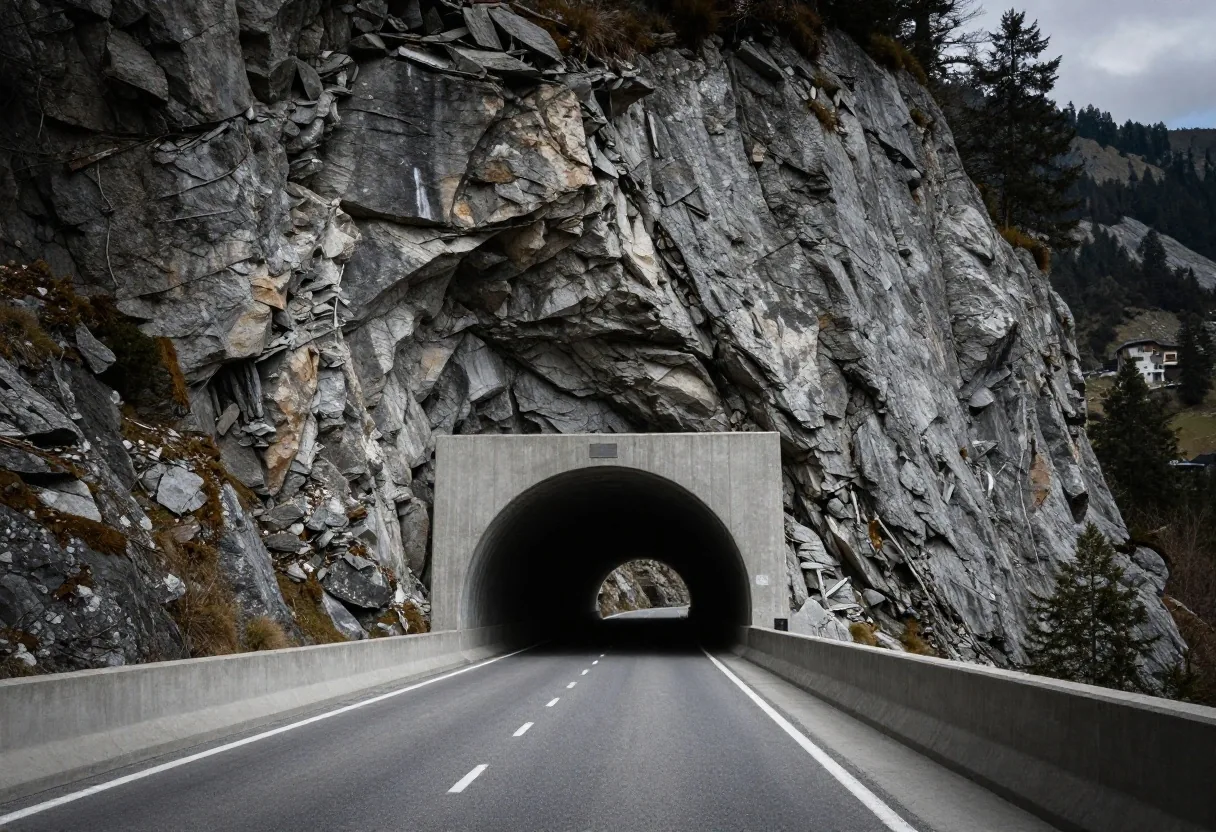
Austria operates five major alpine transit corridors with dedicated section toll tariffs. Review the specific junctions, operational requirements, and bypass alternatives for each route.
A13 Brenner Motorway corridor
Innsbruck-Süd to Brenner Pass (35 km)
Connecting Innsbruck in Tyrol with the Italian border at the Brenner Pass, the A13 Brenner Motorway is one of Europe's heaviest-traveled transit routes. The entire 35-kilometer stretch from Innsbruck-Süd to the national boundary at Brenner is an active section toll road. Standard vignette passes do not apply here. Motorists pay a flat single-trip section toll at the Schönberg main toll plaza or via pre-paid digital plate recognition.
Crucial Transition Note: Drivers merging onto the A13 from the A12 Inntal Motorway must ensure they hold a vignette for the A12 portion, but need only the section toll for the A13 proper.
A10 Tauern and Katschberg Motorway tunnels
Flachau to Rennweg (Tauern 6.4 km • Katschberg 5.4 km)
The A10 Tauern Motorway links Salzburg with Villach in Carinthia, piercing the central alpine ridge through the Tauern Tunnel (6.4 kilometers) and the Katschberg Tunnel (5.4 kilometers). The section toll applies between the Flachau and Rennweg junctions. Motorists transiting this alpine stretch pay a dedicated toll at the St. Michael im Lungau toll station.
You can purchase single transits, round trips, or annual corridor passes. Travelers using the A10 to access high-altitude ski areas must verify whether their chosen junction lies before or inside the toll-charge zone.
S16 Arlberg Road Tunnel
St. Jakob to Langen (14 kilometers)
The S16 Arlberg Schnellstraße features the Arlberg Road Tunnel, which spans nearly 14 kilometers between St. Anton in Tyrol and Langen in Vorarlberg. It represents the only winter-safe, all-weather road link between Austria's westernmost province and the rest of the country. The section toll applies strictly between the St. Jakob and Langen junctions.
When the tunnel undergoes periodic engineering closures or safety refurbishments, traffic is diverted over the Arlberg Mountain Pass (B197), which is a regional road completely exempt from motorway tolls, though unsuitable for large caravans during heavy snow.
A9 Pyhrn Motorway: Bosruck and Gleinalm Tunnels
Bosruck (5.5 km) • Gleinalm (8.3 km)
The A9 Pyhrn Motorway connects Linz with Graz and the Slovenian border at Spielfeld. This corridor includes two distinct section toll tunnels: the Bosruck Tunnel between Upper Austria and Styria, and the Gleinalm Tunnel further south.
Motorists can purchase a combined ticket covering both tunnels or buy individual passage for just one. The standard A9 segments between these tunnels require an active vignette; only the marked tunnel approaches operate under the dedicated section toll regime.
A11 Karawanken Motorway Tunnel
Rosenbach to Hrušica (7.9 km)
Heading south from Villach into Slovenia, the A11 Motorway leads into the 7.9-kilometer Karawanken Tunnel. The toll structure here is unique because operational management is shared between Austria's ASFINAG and Slovenia's DARS.
Southbound motorists pay the Austrian section toll at Rosenbach before entering. Northbound motorists entering Austria pay at the Slovenian Hrušica toll station under Slovenian agency tariffs. Vignettes from either country are not valid for the tunnel transit itself.
Alpine toll environments in operational context
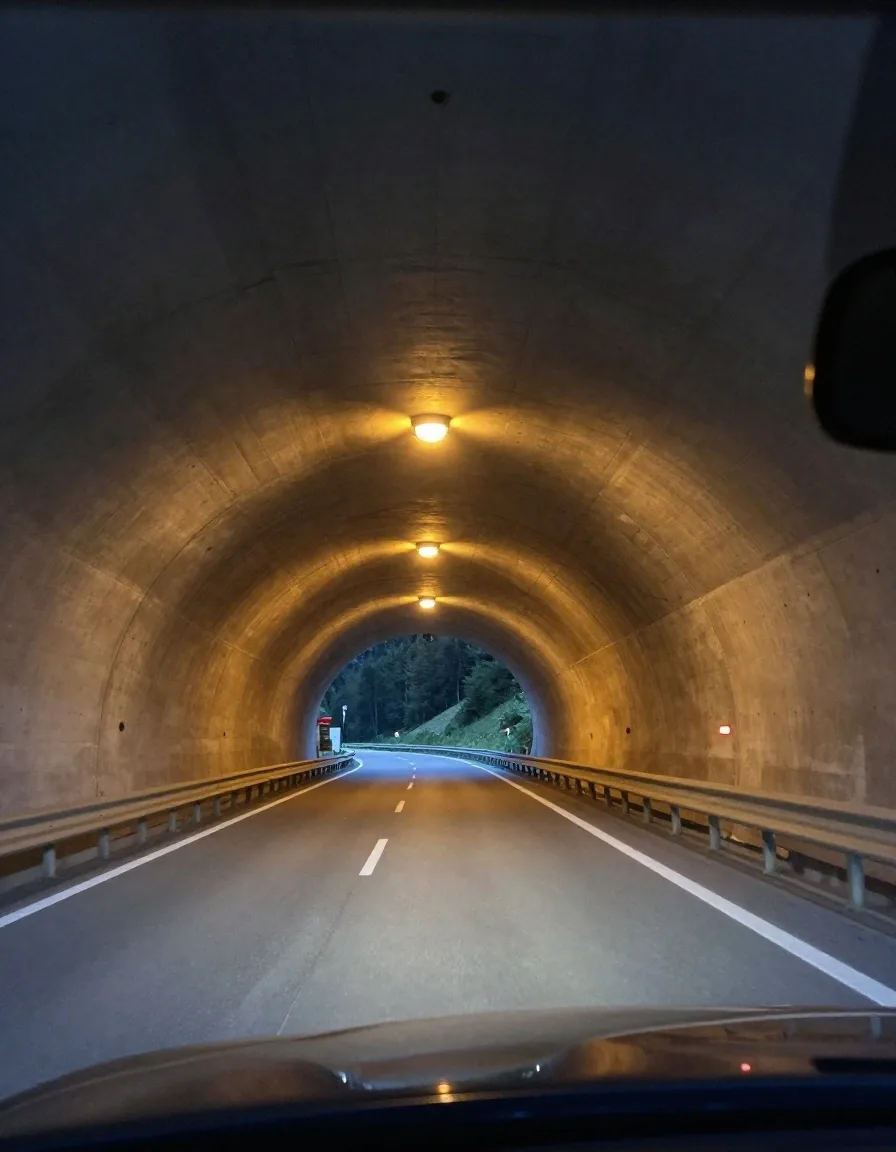
Clearance portals, overhead telemetry gantries, and approach lanes across Austria's primary mountain passes.
Digital section toll registration (Digital Streckenmaut)
Drivers can avoid waiting in line at physical toll booths by registering for a Digital Streckenmaut pass prior to their journey. By linking your vehicle's license plate to a prepaid single or multi-trip digital ticket, automated optical plate scanners at the toll plaza recognize your car as you approach.
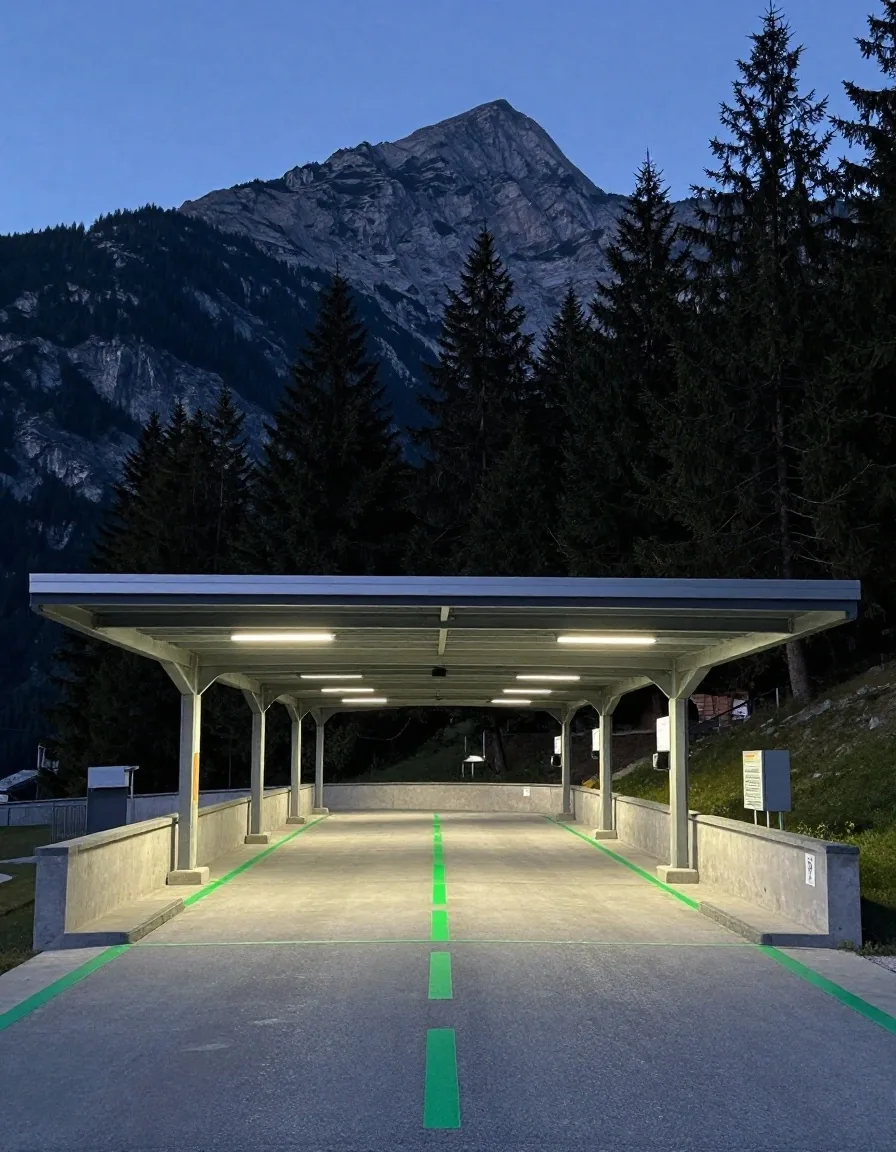
This allows you to use dedicated green-marked lanes, where barrier arms lift automatically without requiring you to wind down your window or present cash and payment cards.
Digital section tolls activate quickly upon purchase without the 18-day consumer protection waiting period required for standard annual digital vignettes.
Follow green overhead digital signage labeled "Videomaut" or "Digital Streckenmaut" on approach to bypass physical card and cash booths.
Digital Section Toll Pre-Payment versus Flex Service
Frequent transit travelers can choose between single-entry prepaid digital tickets and automated billing services often called 'Digital Maut Flex'.
Prepaid tickets cover a set number of passages within a 365-day validity window. Best for holiday travelers making known single or round trips across the Alps.
The flex option links a credit card or bank account directly to the vehicle registration plate, automatically invoicing your card each time cameras log your car passing through an alpine toll plaza. This eliminates the need to calculate remaining trip balances beforehand.
Exiting section tolls onto standard motorways
A critical legal trap awaits motorists crossing the Brenner or Karawanken passes who intend to continue into Austria. While you can drive across the Italian border and down the A13 Brenner Motorway legally using only a section toll ticket, continuing past Innsbruck onto the A12 Inntal Motorway immediately requires an active vignette.
Enforcement gantries positioned immediately after the motorway interchange detect unvignetted vehicles within several hundred meters. Travelers must acquire their standard vignette prior to reaching the interchange.
Overhead dual-lens sensors photograph windshields and plates seamlessly at highway speeds.
Practical advice for alpine holiday routing
During peak summer and winter holiday changeover days, alpine toll plazas experience substantial traffic backups. Preparation and protocol awareness prevent unexpected transit delays.
Pre-Registration Timing
Purchase your digital section toll tickets online at least several hours before arriving at the toll gate, ensuring your plate is active in the optical scanning system before entering the valley approach.
Mobile Confirmation
Keep your digital confirmation PDF or order summary accessible on your smartphone in case a dirty, salted, or snow-covered plate requires manual verification by toll gate personnel.
Tunnel Safety Measures
Maintain safe stopping distances inside long single-bore tunnels and observe variable electronic speed limits displayed on overhead gantries during peak congestion or alpine storms.
Section toll regulations and tunnel passes
Clear answers to common questions about Austrian Streckenmaut corridors.
Can I drive through the Brenner Pass using only an Austrian 10-day vignette?
How does the automated green lane recognize my vehicle?
What happens if the Arlberg Tunnel is closed for maintenance?
Can I use the same section toll ticket for return trips on the A10?
Do motorcycles pay the same section toll rate as passenger cars?
Prepare your alpine corridor clearance before you leave
Connect your route between standard vignette sections and special Streckenmaut tunnels without border delays or enforcement camera penalties.